
How Our Parents Keep Trying to Make Us Speak ‘Mother Tongue
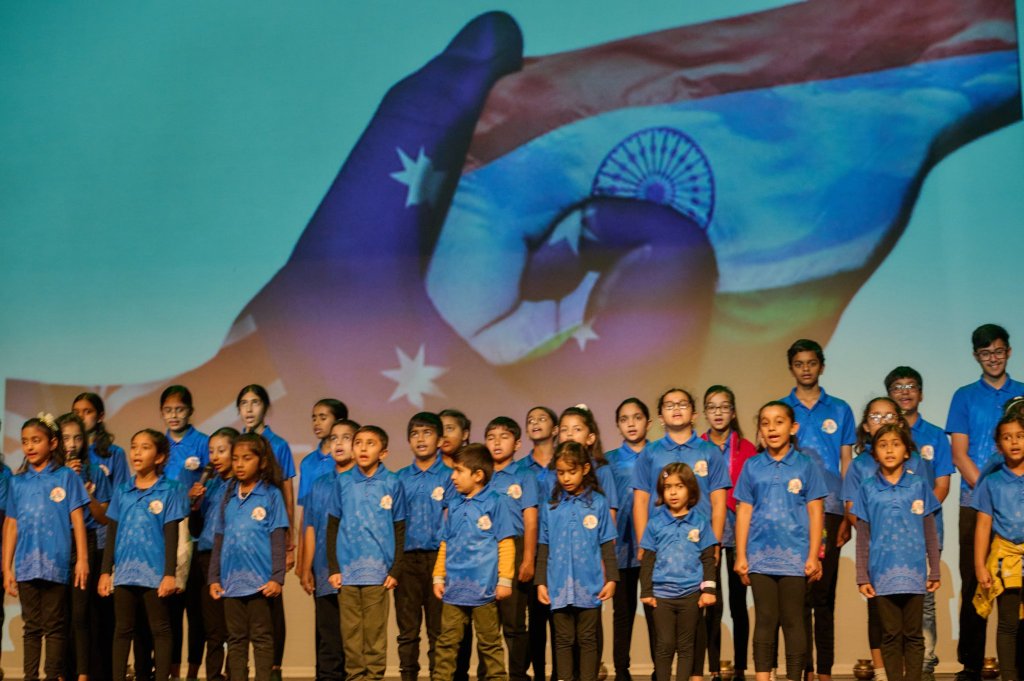
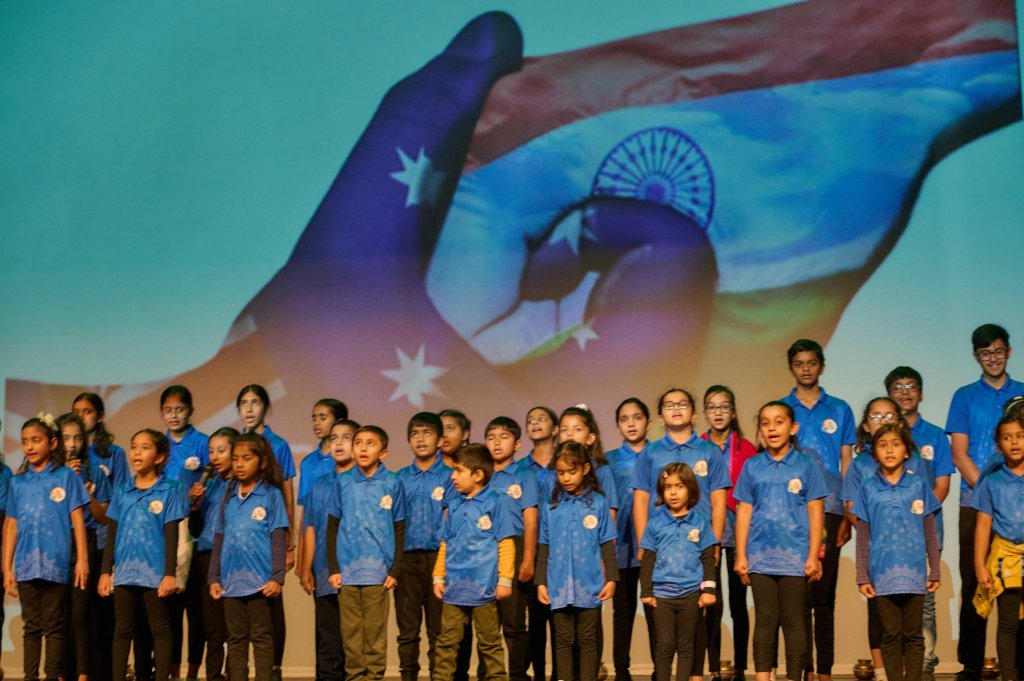
For the South Asian diaspora, especially second-generation immigrants growing up in Australia, preserving their native languages can be a challenging and sometimes contentious issue. Language, a fundamental part of cultural identity, is often where the clash between heritage and modern life is most keenly felt.
The Second-Generation Perspective: A Different Reality
Many second-generation South Asians in Australia often express frustration about their parents’ expectations to speak the family’s native language at home. While parents view language as a way to maintain a connection to their heritage, many children find it difficult to balance these expectations with the reality of living in a predominantly English-speaking environment.
Children grow up attending Australian schools, watching Australian television, and socializing with friends who predominantly speak English. In these spaces, their identity is shaped by the language and culture surrounding them, which sometimes makes their native language feel distant and irrelevant to their daily lives.
Some second-generation South Asians feel that their parents don’t fully understand the pressure they face to fit in, especially when speaking their native language makes them feel out of place or disconnected from their peers. From their perspective, while they may understand the importance of heritage, they live in a world where cultural assimilation is often the key to social acceptance. This can create an internal conflict, where they may grow up with feelings of guilt or inadequacy about not being fluent in their mother tongue, and yet resistant to fully embrace it.
As one second-generation South Asian shared in a discussion about language learning, “My parents don’t understand that I’m not living the life they lived back in India. I don’t have a community around me that speaks Hindi, and sometimes, it just feels like an extra burden that makes me feel different from everyone else.” This sentiment is common among children of immigrants who navigate dual identities in a multicultural society like Australia.
The Parents’ Perspective: A Cultural Anchor
From the perspective of South Asian parents, teaching their children the native language is about much more than just words. It’s about maintaining a tangible connection to their culture, traditions, and history. Many immigrant parents believe that language is the key to ensuring that their children understand where they come from and feel rooted in their heritage, despite living in a different country. Language serves as a bridge between generations, allowing children to communicate with their grandparents, extended family, and community back home.
For many South Asian parents, passing on their native language is a way to safeguard their identity and ensure that future generations don’t lose touch with the rich cultural traditions of their homeland. They fear that without the ability to speak the language, their children may grow disconnected from their roots and lose the unique blend of cultural pride that comes with being bilingual.
Parents also argue that speaking more than one language can offer tangible benefits in today’s globalized world. In fact, bilingualism has been shown to improve cognitive flexibility and career opportunities. As one parent noted in a community discussion, “I want my children to know Tamil not just because it’s part of who we are, but because it will help them connect with the world in ways that being monolingual can’t.”
Bridging the Gap: Efforts to Preserve Language
In many households, the preservation of language is a matter of daily practice. Parents often speak their native language at home, encouraging children to respond in the same. While some families find success in this, many others face resistance from children who prefer to speak English, particularly as they grow older.
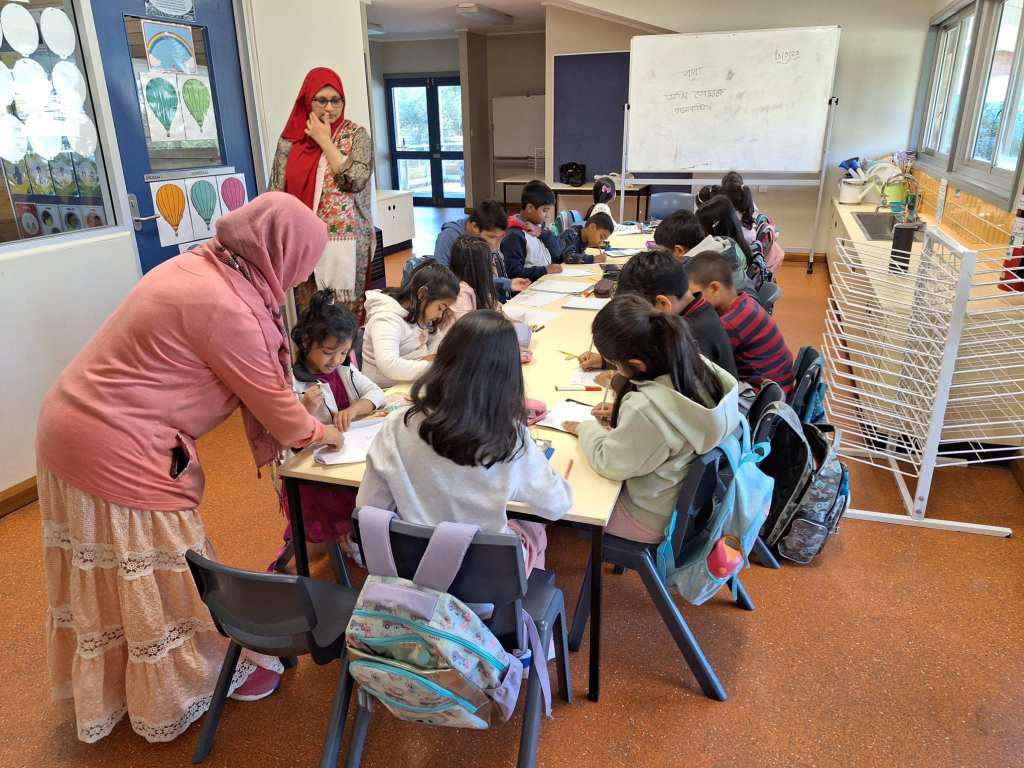
To strengthen language retention, many South Asian communities in Australia have established formal institutions that offer language classes and cultural education. These schools cater to different South Asian communities and provide structured learning environments where children can immerse themselves in their cultural languages.
- Tamil Language Schools: The Australian Tamil Academy offers classes across various regions in Australia, including Sydney and Melbourne. These classes are designed for children of Tamil-speaking families to learn reading, writing, and speaking in Tamil.
- Hindi Language Learning: Hindi Samaj of WA and other similar organizations provide weekend classes for children to learn Hindi in a community-based environment. These schools also focus on teaching cultural values and traditions along with the language.
- Punjabi Language and Sikh Gurmat Schools: Sikh communities in Australia have developed a network of Gurmat and Punjabi language schools that not only teach the Punjabi language but also impart knowledge about Sikh history and culture.
These institutions are critical in helping bridge the gap between generations by creating spaces where children can learn their heritage languages in a way that is supportive and culturally relevant.
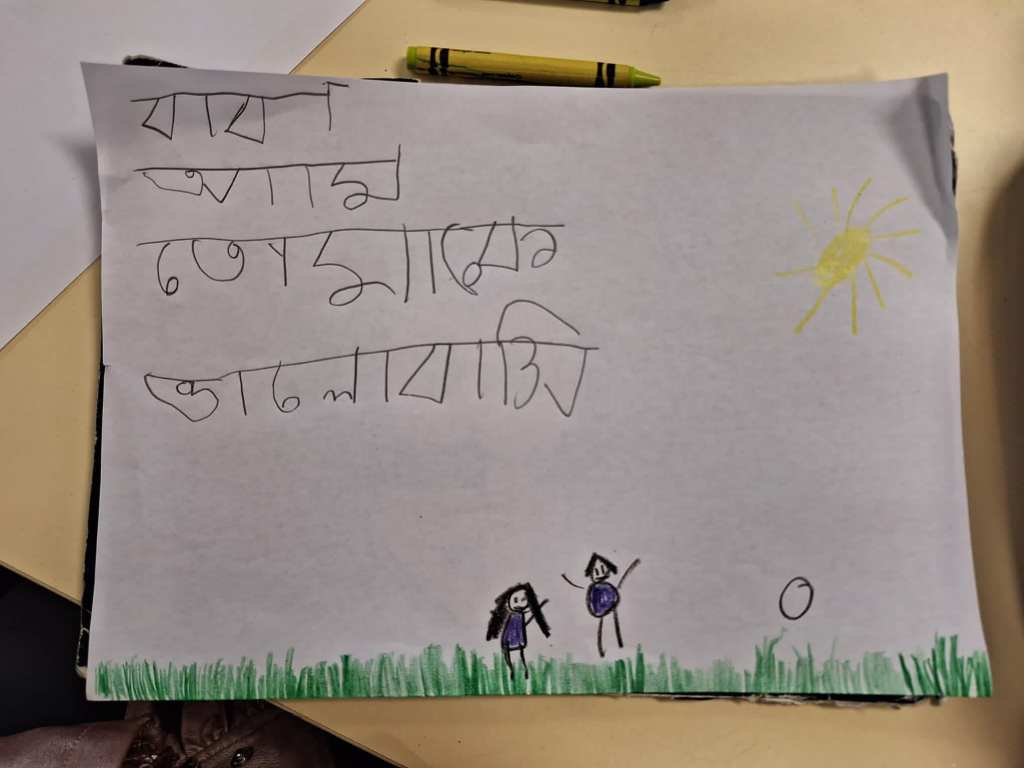
In recent years, the Australian government has taken significant steps to support the teaching of South Asian languages, recognizing the importance of linguistic diversity in a multicultural society. According to SBS, languages such as Hindi and Tamil have been added to the curriculum in New South Wales schools as part of a broader initiative to encourage cultural understanding and inclusion. The NSW Department of Education has acknowledged that offering these languages in schools is not just about language acquisition—it’s about fostering a deeper connection to cultural heritage, both for second-generation immigrants and the wider community.
This move aligns with the government’s aim to equip students with the tools needed to thrive in a globalized world. As Education Minister Sarah Mitchell highlighted, learning languages like Hindi and Tamil helps students build essential skills, enriches cultural exchange, and strengthens ties with countries where these languages are widely spoken. By integrating these languages into mainstream education, Australia is taking active steps toward preserving cultural diversity while supporting the diaspora’s efforts to maintain a strong connection to their roots.
For many parents in the South Asian diaspora, this is a critical step in bridging the gap between home and school, making it easier for children to embrace both their heritage and their Australian identity. Initiatives like this also relieve some of the pressure on parents to teach the language solely at home or through community-based schools, allowing for more structured learning and support.
Conclusion: A Shared Effort to Preserve Identity
The struggle to preserve South Asian languages in Australia highlights the complexities of navigating dual identities. While second-generation South Asians may resist speaking their native languages due to the realities of growing up in a predominantly English-speaking society, their parents’ desire to pass on their linguistic heritage is rooted in the fear of cultural loss.
Ultimately, preserving language within the diaspora is a shared responsibility. It requires an understanding of the challenges that second-generation children face, while also recognizing the cultural importance that parents place on maintaining ties to their homeland. Institutions that support language education play a vital role in this process, offering structured, community-driven ways to ensure that the languages of South Asia continue to thrive, even thousands of miles away from home.

 The Daily Coconut
Leave a comment