
Gully Cricket: The Heartbeat of South Asia
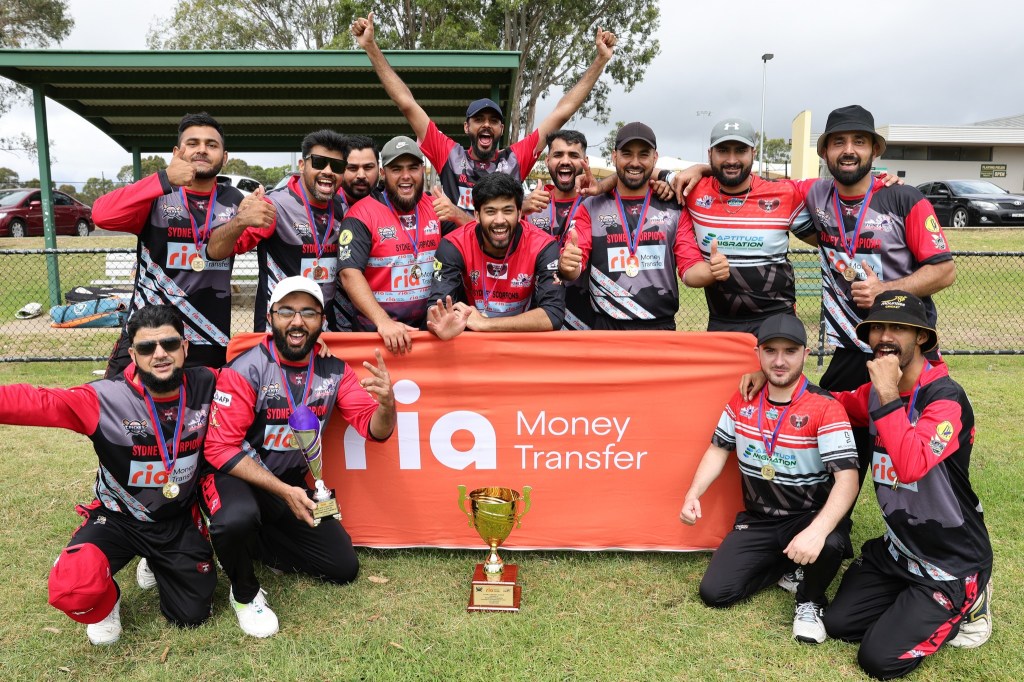
Cricket holds a special place in the hearts of South Asians. For many, exposure to the sport begins early in life, often with the entire family gathering around to watch their country’s matches on television. The love for the game is deeply ingrained in the culture, spanning generations. In bustling cities where open spaces are limited, playing “formal” cricket may not always be possible, especially for children. Instead, they turn to gully cricket—an improvised version of the game played in the narrow lanes or streets. Whether played in the narrow streets of Mumbai or in the open fields of Lahore, cricket in South Asia is known for its improvisation and creativity. This essence has carried over to Australia, where the South Asian diaspora continues to use cricket as a bridge between their heritage and their new home.
South Asian diaspora continues to use cricket as a bridge between their heritage and their new home
In South Asia, gully cricket is the ultimate display of adaptability. Played in streets, alleys, and open spaces, it relies on makeshift equipment like brick wickets and wooden bats. Rules are flexible, with batsmen often declaring that the first ball bowled out doesn’t count—known as the “test ball.” Despite this informal nature, gully cricket fosters a love for the sport that transcends boundaries, with these makeshift games laying the foundation for future stars.
Cricket in Australia: A New Playing Field
When South Asians migrate to Australia, they bring this passion for cricket with them. However, the game transforms in this new setting. Here, cricket is played in well-maintained grounds with proper equipment, emphasizing formal rules and technique over improvisation. For many immigrants, adapting to this structured version of the sport presents challenges, but it also offers opportunities to refine skills and embrace the more disciplined nature of Australian cricket.
Indoor Cricket: A Popular Variant
In Australia, indoor cricket has gained popularity, especially among the South Asian diaspora. With indoor facilities like the Five Dock Indoor Cricket Centre in Sydney, the game is faster, boundaries are closer, and the pace of play is quicker. While it differs from traditional outdoor cricket, the core passion for the sport remains unchanged.
Usman Khawaja: A Beacon for South Asian Cricketers
Usman Khawaja, born in Pakistan and raised in Australia, stands as an inspiration for many in the South Asian community. Moving to Australia at a young age, Khawaja overcame numerous challenges—both cultural and sporting—to become one of Australia’s top cricketers. His debut in 2011 made him the first Muslim and South Asian to represent Australia in Test cricket. His journey has been marked by resilience, as he navigated the pressures of fitting into a predominantly white cricket culture while proudly embracing his heritage.
Khawaja’s success on the field is well documented, but his off-field contributions are equally significant. As an advocate for diversity in Australian cricket, he has worked tirelessly to increase South Asian representation and break down barriers faced by young cricketers of immigrant backgrounds. His story continues to inspire the next generation of South Asian Australians to pursue cricket at the highest level.
Thriving South Asian Cricket Leagues
In Australia, South Asian cricket leagues have sprung up across cities like Sydney and Melbourne. These leagues offer a space where immigrants can play the game they love while staying connected to their cultural roots. These leagues often serve as community hubs where families gather, friendships are built, and traditions are preserved.
- Sydney Premier League: This league features a significant number of South Asian players and teams, and has become a vibrant part of Sydney’s sporting landscape.
- Community Tournaments: Local South Asian communities also organize tournaments around cultural festivals, blending sport with cultural celebration.
Cultural Fusion Through Cricket
The merging of South Asian cricket culture with Australia’s formal approach creates a unique synthesis that benefits both communities. While South Asians bring passion, creativity, and an informal love for the game, Australian cricket contributes infrastructure, discipline, and a well-defined system. This fusion enriches the cricketing experience, making it both competitive and culturally diverse.
A Continuing Legacy: Heritage Meets New Horizons
Cricket remains a powerful connector for the South Asian diaspora in Australia. Whether through gully cricket in their neighborhoods or indoor cricket in Sydney’s courts, the passion for the game continues to thrive. For many, it serves as a link to their heritage while helping them adapt to life in Australia. The success of players like Usman Khawaja, coupled with the growth of local cricket leagues, ensures that South Asian cricket will remain an integral part of Australia’s sporting future.
As the South Asian community continues to grow in Australia, cricket will undoubtedly play a key role in fostering unity, celebrating diversity, and inspiring future generations. This journey from gully to glory represents not just a love for the sport, but the resilience and adaptability of the South Asian diaspora in embracing new horizons while honoring their roots.

 The Daily Coconut
Leave a comment