
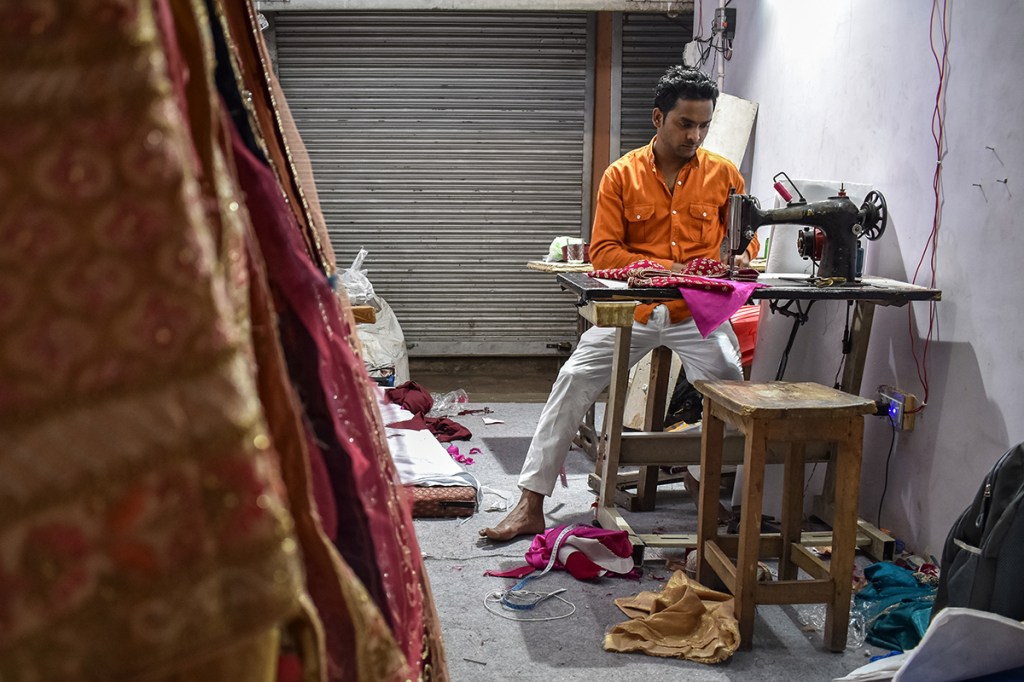
Introduction: A Tradition Woven with Precision and Pride
South Asian tailoring is more than just a craft—it’s a tradition passed down through generations, where every stitch carries deep cultural significance. It’s not just about fashion; it’s about identity, tradition, and social status. For many South Asians living in Australia, there’s a profound nostalgia for the personalized tailoring that once shaped their attire back home.
South Asian tailoring is an art form where every cut, stitch, and embellishment comes together to create the ‘perfect’ piece of clothing. The importance of these artisans, a.k.a. tailors, becomes even more apparent before life’s milestone events, whether it’s weddings, festivals, or religious ceremonies, where every stitch in a lehenga or sherwani matters, and a poor fit can diminish the experience for the wearer.
The Cultural Significance of Tailored Garments in South Asia
In South Asia, tailoring goes far beyond garment creation. Every region has its own rich traditions. From the intricate weaves of Banarasi silk sarees to the delicate needlework of Kashmiri pashminas, each garment is a canvas where culture, religion, and personal narratives blend.
For example, saree blouses in India and Bangladesh are often custom-made to fit the wearer’s specific tastes and needs. Meticulous attention is given to every detail to ensure a perfect fit and style. The choice of fabric, color, and embroidery patterns can reveal the wearer’s region, marital status, and social standing. Similarly, in Pakistan, sherwanis and salwar kameez are painstakingly crafted over weeks to meet the exacting standards of important occasions.
The relationship between a family and their tailor is deeply personal. Many families have relied on the same tailor for years, even generations. The process of getting a garment tailored is not a simple transaction; it’s an intimate ritual that often involves multiple visits, fabric discussions, and precise measurements.
Tailoring and Special Occasions: A Deeply Personal Experience
Weddings are perhaps the ultimate showcase of South Asian tailoring. The garments worn during these ceremonies are often custom-designed to reflect not just the couple’s style but also their cultural heritage. For brides, the lehenga or saree is a statement of identity, a connection to her family’s roots, and a piece of art that will be cherished for generations.
Creating a wedding outfit is a deeply collaborative process. Tailors often visit the family’s home, or vice versa, spending hours discussing designs, selecting fabrics, and taking precise measurements. Some tailors offer refreshments like tea or soda to waiting customers, a clever business tactic to keep them patient. These garments reflect the collective effort and creativity of the family and the tailor, making them deeply personal.
Beyond weddings, festivals such as Diwali, Eid, and Vaisakhi also see the creation of custom garments with deep symbolic meaning. Tailors play a crucial role in bringing these garments to life, ensuring they fit perfectly and convey the cultural significance of the occasion.
The Drama and Delight of Tailor Visits Before Festivals
A quintessential part of South Asian life is the drama that unfolds before major festivals like Puja or Eid, when women rush to local tailors for alterations or new outfits. The days leading up to the festival are often filled with excitement and anxiety, with deadlines looming. Tailors, known for their sweet promises, often delay garment completion, leading to last-minute visits and frantic calls. Yet, this is part of the charm. Once the perfectly tailored dress is finally delivered, all is forgiven.
There’s an undeniable thrill in getting the final fitting done just before the big event, hoping everything comes together perfectly. Despite the delays and stress, these visits are filled with laughter, negotiations, and the shared understanding that, no matter what, the tailor will deliver—often at the last minute. The tailor, a trusted community figure, becomes part of the festival preparation, sharing in the anticipation and joy.
This nostalgic, sometimes chaotic relationship with tailors is depicted in the Bollywood movie Sui Dhaaga (2018), starring Varun Dhawan and Anushka Sharma. The film captures the essence of the tailoring business in South Asia, highlighting the challenges, pride, and cultural roots that define the craft. The story of a small-town couple striving to establish their tailoring business reflects the resilience and creativity of South Asian tailors, who often become integral parts of their communities.
The Nostalgic Gap: Missing the Craft in Australia
For many South Asians in Australia, finding a tailor who can replicate the intricate work of a master craftsman from back home is a challenge. The longing for a perfectly draped saree, a fitted sherwani, or a storytelling lehenga is a common sentiment among the diaspora. The absence of familiar tailoring shops, where one could casually chat with a trusted tailor, creates a gap felt deeply.
This nostalgia isn’t just about missing the garment; it’s about missing the entire experience. The bustling markets, the feel of fabrics, and the personal relationship with the tailor are hard to replicate in a new country. While Australia boasts a vibrant fashion scene, the unique expertise required for traditional South Asian garments isn’t always readily available.
Many rely on trips back home to have garments tailored or seek out tailors in Australia who specialize in South Asian fashion. However, finding tailors who understand the cultural significance of these garments and can deliver the same level of craftsmanship is still a challenge.
Bridging the Gap: Where to Find Skilled South Asian Tailors in Australia
Despite the challenges, there are pockets of excellence where South Asian tailoring thrives in Australia. In cities with large South Asian populations, such as Sydney and Melbourne, neighborhoods like Harris Park and Little India have become hubs for South Asian culture, including tailoring.
These tailors offer a range of services, from simple alterations to creating bespoke outfits for special occasions. Many have brought their skills from South Asia and understand the intricate details required to craft traditional garments. Some even collaborate with artisans back home, ensuring that embroidery and detailing are done traditionally, while fittings and adjustments are made locally.
For those seeking a more personalized experience, it’s worth building a relationship with these tailors, much like families do in South Asia. Whether it’s for a wedding, a festival, or a personal milestone, these tailors help bring the richness of South Asian culture to life through their craftsmanship.
Conclusion: Preserving a Timeless Craft in a New Land
South Asian tailoring is more than just a skill—it’s a cultural heritage passed down through generations. For South Asians in Australia, preserving this craft is essential for maintaining a connection to their roots. Whether by supporting local tailors, traveling back home for special garments, or even learning the craft themselves, it’s important to keep this tradition alive.
In a land far from home, these garments are a reminder of our origins, the traditions we uphold, and the identity we carry with us. By continuing to value and support South Asian tailoring, the diaspora can ensure that this timeless craft continues to thrive, even in the farthest corners of the world.
 The Daily Coconut
Leave a comment